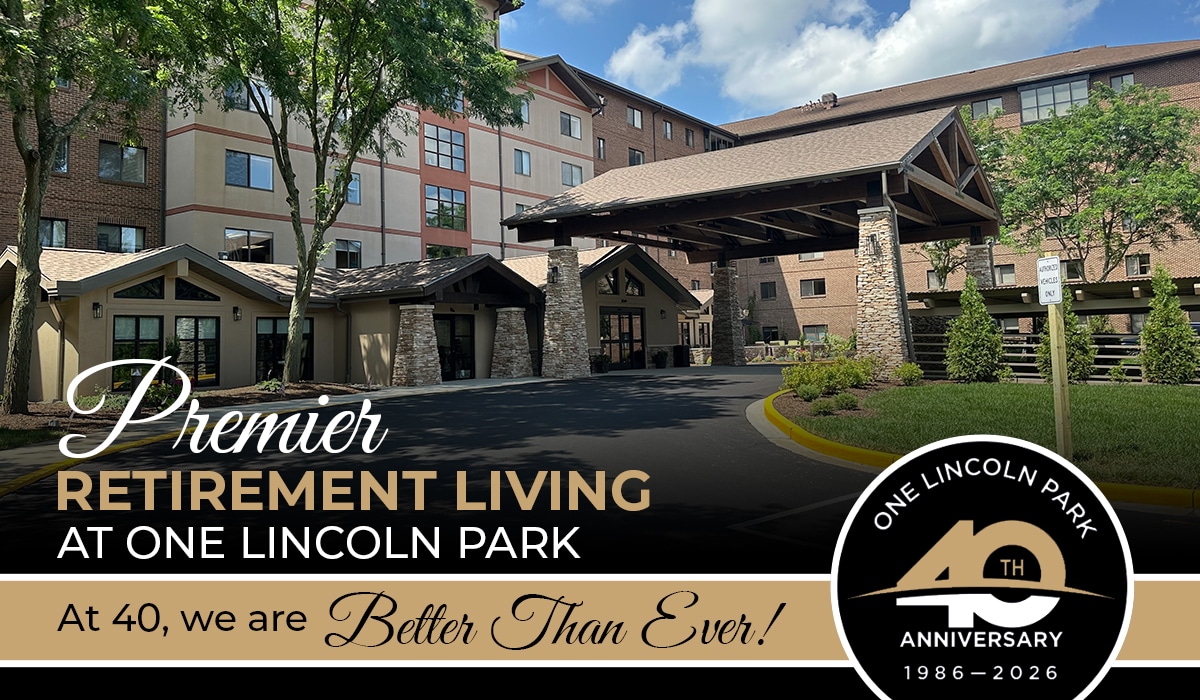
See for yourself the many benefits of living at One Lincoln Park – schedule your visit today.
11 Great Brain Games for Seniors (and Everyone Else!)
Keeping the brain stimulated and healthy in retirement has never been easier. Today, we understand more about the brain and how to keep it in great shape through games and training systems. Although the evidence is mixed on what brain games are best for keeping cognitive skills sharp, playing games that challenge the brain may help and also provide a little fun at the same time.
Whether it’s for the mental workout or just for fun, seniors can’t lose by playing these games.
- BrainHQ offers brain games to exercise “memory, attention, brain speed, people skills, intelligence and navigation,” developed over 30 years of research by an international team of neuroscientists.
- CogniFit is a brain training program that lets users test themselves and personalize the games to fit their needs. CogniFit has been independently published and reviewed in scientific publications including several papers specifically about use by older adults. In 2024, CogniFit was recognized for its contributions to cognitive health, receiving the Best Specialist Brain Training Software Company Award, further cementing its reputation as a trusted resource for seniors.
- Lumosity offers a variety of games related to memory as well as problem solving, processing speed and other cognitive skills. Games can be tailored to each individual’s needs. Progress tracking and insights are also available. Lumosity’s platform continuously adapts to user performance, providing a personalized training experience that helps seniors strengthen cognitive skills at their own pace.
- Memory matching games are also fun for people with diagnosed memory loss such as dementia or Alzheimer’s disease. They can play them alone or with family to make it more stimulating and an enjoyable time around a game table. Another option is puzzles, which according to the dementiainsider.com blog, “Puzzles and Games for Dementia Patients,” will engage loved ones and may help reduce dementia symptoms.
- Trivia games are other memory challengers that are most fun played in a group. Classic board games such as Trivial Pursuit Baby Boomer Edition remain cherished for their nostalgic appeal, while modern options like Articulate! offer engaging, team-based trivia experiences suitable for larger gatherings. Additionally, seniors are increasingly enjoying digital trivia games like AARP’s Right Again! Trivia and the online quiz platform Sporcle, which provide a wide array of fun, accessible challenges to promote cognitive engagement.
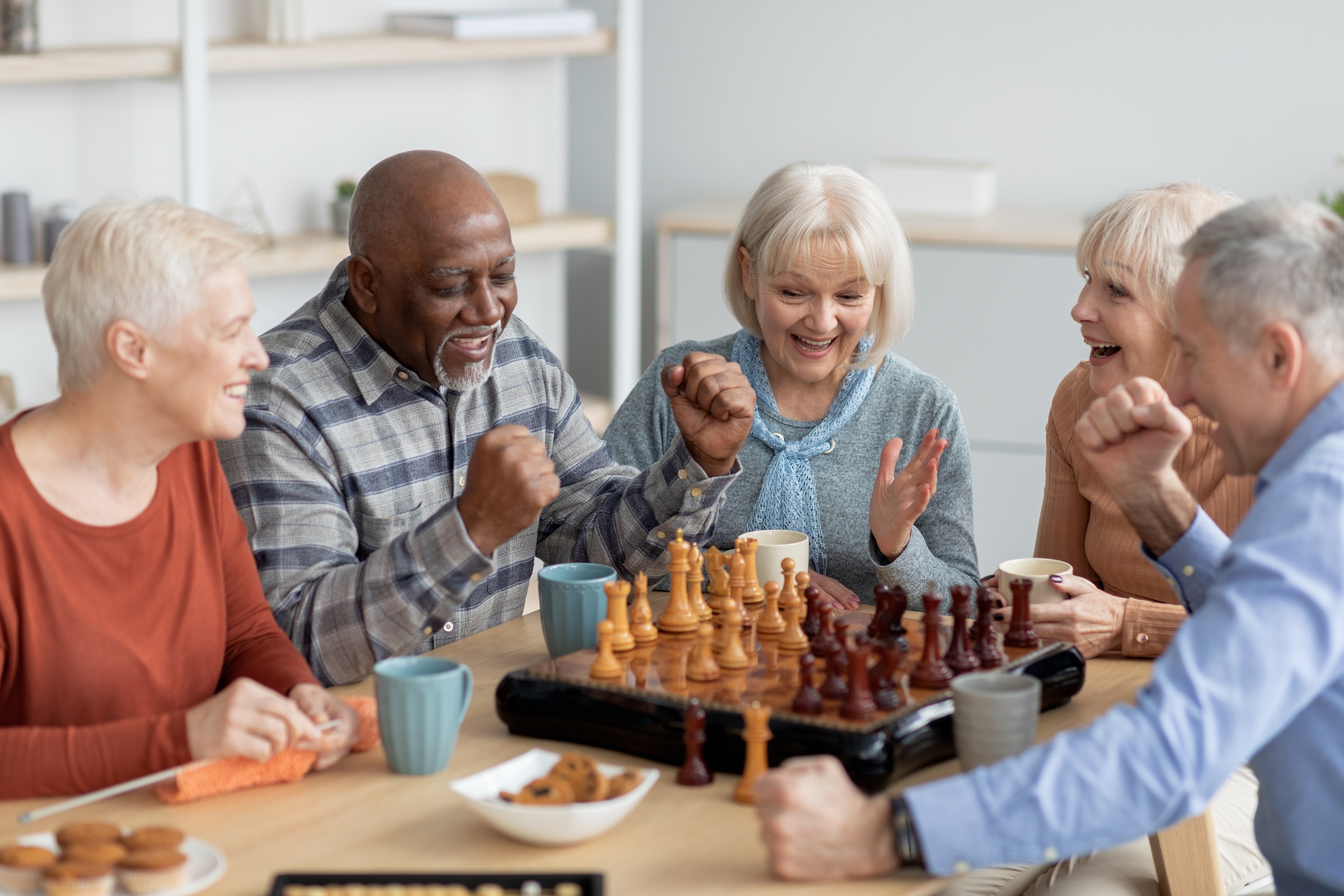
- For those who love board games, classics like Scrabble, Chess, and Trivial Pursuit continue to be favorites, offering opportunities to enhance vocabulary, strategic thinking, and general knowledge. In addition, modern games such as Ticket to Ride, Qwirkle, and Rummikub have gained popularity among seniors, providing engaging ways to improve pattern recognition, planning skills, and numerical agility.
- Word games are another category that never loses its appeal and can be on a board, paper, online, or on apps. These games include word searches, anagram puzzles and word scrambles, and crossword puzzles. Recently, popular word games like Wordle, Wordscapes, and Scrabble GO have gained even greater traction among seniors, offering enjoyable and accessible ways to enhance language skills and maintain cognitive sharpness in 2026.
- Handheld 3-dimensional puzzles – like the classic Rubik’s Cube, modern shape-shifting puzzles, and wooden interlocking brain teasers continue to offer engaging challenges that stimulate spatial reasoning and problem-solving skills. These tactile activities not only provide enjoyable mental stimulation but also support fine motor skills and hand flexibility.
- Games of strategy – like chess and checkers are great but don’t forget about classic board games like Backgammon, Battleship, Risk, Mastermind, Monopoly, and Clue.
- Card games – Played alone or with one or more friends or family members, card games are great brain games. Bridge is a favorite among older adults but games like Solitaire, Hearts, Poker, and Uno require the use of short-term memory, strategic thinking, problem solving and other skills.
- Number/math games – For those who don’t use numbers as much as they used to, games that use numbers may offer a fun way to sharpen that skillset. Examples include Sudoku, KenKen, and number-placement puzzles, as well as simple card-based math games and dominoes.
Game playing is good for the brain but also just for fun. At One Lincoln Park we go the extra mile to make sure our residents have all the entertaining and challenging games and activities they want to stay healthy and happy, both physically and mentally. Located at 590 Isaac Prugh Way in Dayton, Ohio, One Lincoln Park has offered independent living for adults 55+ since 1986, with a full calendar of social games and group activities.
Frequently Asked Questions
The honest answer is that the research is mixed. Studies show brain-training games can improve performance on the specific skill being practiced, but evidence that this transfers to broader, everyday cognitive ability is limited and debated. What experts more consistently agree on is that staying mentally engaged, social, and active is good for overall well-being. So brain games are best viewed as one enjoyable part of a healthy lifestyle rather than a guaranteed way to prevent cognitive decline.
There is no single “best” game — variety across skill types is more useful than any one app. Popular structured apps include BrainHQ, CogniFit, and Lumosity, which adapt to your performance. Classics like Scrabble, Chess, Bridge, crossword puzzles, and Sudoku work memory, strategy, vocabulary, and numbers. Group games such as trivia and card games add the social element that many seniors value most.
Yes. Many word and number games — including Wordle, Sudoku, solitaire, and crossword puzzles — are free online or in newspapers. AARP offers free games such as Right Again! Trivia, and platforms like Sporcle host free quizzes. Traditional board and card games you may already own, like Scrabble, chess, and a deck of cards, cost nothing extra to keep playing.
Games like memory matching and simple puzzles can be an engaging, enjoyable activity for people with dementia or Alzheimer’s, especially when played with family. They may help with engagement and mood in the moment, but they are not a treatment and should not replace medical care. Always follow guidance from a healthcare provider for anyone with a diagnosed condition.
At communities like One Lincoln Park in Dayton, Ohio, games and puzzles are often part of a broader activities calendar that includes fitness, social events, and group gatherings. Playing in a group setting adds the social interaction that supports overall well-being, which many researchers consider as important as the mental challenge itself. Residents can join organized game sessions or play on their own.
Related Posts